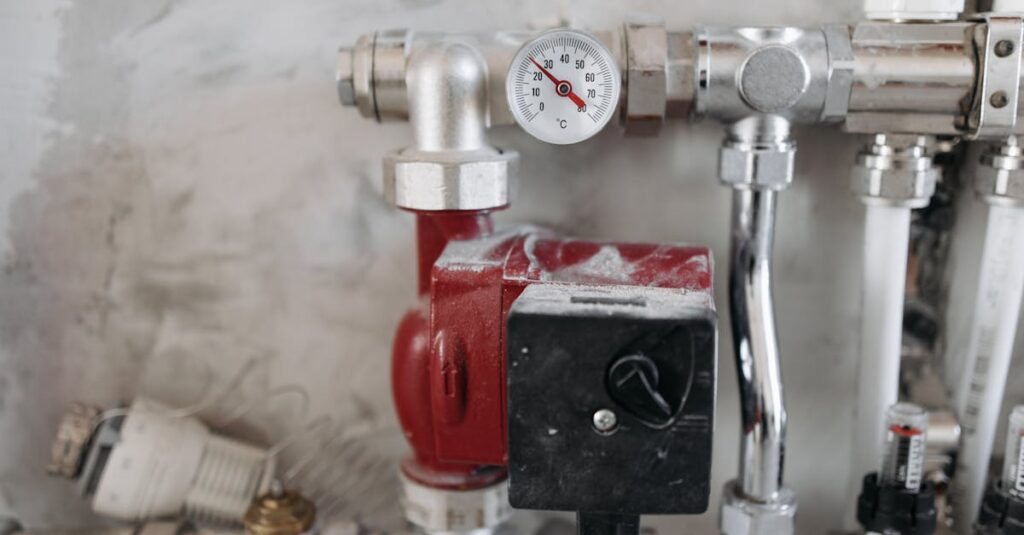
Experiencing low water pressure can disrupt daily routines, from showers that barely trickle to slow-filling washing machines. In Brisbane, this is a surprisingly common problem, and local specialists who deal with low water pressure Brisbane issues know it can stem from everything from aging pipes and hard water mineral buildup to faults in the mains supply. Understanding what’s behind the problem helps homeowners tackle it directly, often with straightforward fixes or a call to a trusted local plumber.
Key Takeaways
- Low water pressure in Brisbane often results from ageing pipes, hard water mineral build-up, or faults in the mains water supply.
- Blocked aerators and showerheads caused by mineral deposits are common causes of weak water flow and can be resolved by cleaning or replacing these fixtures.
- Hidden leaks and internal pipe blockages reduce water pressure and usually require professional diagnosis using CCTV cameras and hydro jetting.
- Pressure-reducing valves and regulators, if set incorrectly or faulty, can significantly lower household water pressure and should be checked by experts.
- During low pressure events affecting entire areas, checking with Urban Utilities provides important updates before contacting local plumbing professionals.
- Trusted local specialists like The Brisbane Plumbers offer tailored solutions to low water pressure issues specific to Brisbane’s infrastructure and water conditions.
Understanding Water Pressure in Brisbane Homes
Water pressure refers to the force that moves water through pipes to your taps, showers, and appliances. In Brisbane, most residential properties rely on mains water regulated by authorities like Urban Utilities. These systems are intentionally balanced to prevent damage to plumbing fixtures, but they can be affected by a range of factors. Brisbane’s hard water content encourages mineral deposits inside pipes, increasing the risk of clogging, while many local homes, especially older ones, still use outdated galvanised pipes prone to rust and narrowing over the years. Best low water pressure Brisbane services are available 24/7 to address these concerns. If your home is experiencing fluctuating or persistently weak water flow, it’s essential to consider both the general design of local plumbing and the specific quirks of Brisbane’s infrastructure.
Common Signs of Low Water Pressure
Spotting low water pressure early helps prevent larger plumbing problems. Typical signs include a noticeably weak stream from taps or showerheads, water that drips instead of flows, or pressure that seems perfect in one room but lacking in another. Some Brisbane residents notice the entire house suffers a drop in pressure, while others experience issues in just one section or fixture. Appliances like dishwashers and washing machines may also take longer to fill. If you’re constantly adjusting taps to get any reasonable pressure or rely on a shower that’s lost its invigorating spray, these are clear red flags that shouldn’t be ignored. Professional low water pressure Brisbane team members can conduct thorough inspections to identify the root cause.
Cause 1: Mains Water Supply Issues
One prominent cause of citywide low pressure in Brisbane is a disruption or change in the mains water supply. Scheduled maintenance works, bursts, or upgrades by Urban Utilities can temporarily lower pressure across entire neighbourhoods. High demand during peak times, particularly on hot days, can also reduce available pressure in your area. Occasionally, authorities fit pressure-reducing valves at street level to protect old pipes, which can unintentionally limit household flow. The first step in diagnosing a pressure drop is to check with neighbours, if they’re also affected, the problem is likely with the municipal supply. You can visit the Urban Utilities website for real-time updates or call their helpline. Ongoing or severe reductions should prompt a call to a local plumbing expert, such as top low water pressure Brisbane experts, who are familiar with Brisbane’s supply issues and can quickly identify broader trends.
Cause 2: Faulty Fixtures and Aerators
It’s surprisingly common for low pressure to be traced back to blocked aerators or showerheads, especially in homes where the problem only occurs at one outlet. In Brisbane, hard water causes calcium and mineral deposits to accumulate, leading to poor flow or even an uneven spray pattern. This is most evident in taps and showers that dribble or sputter rather than deliver a steady stream. The simplest fix is to unscrew the aerator or showerhead, soak it in household vinegar to dissolve debris, and scrub away stubborn buildup before reinstalling. If the fitting is corroded or cracked, replacement is often a cost-effective long-term solution. For persistent issues, especially in multiple locations, it’s worth booking a diagnostic visit from quality low water pressure Brisbane solutions specialists who can check all fixtures and recommend upgrades tailored to Brisbane water conditions.
Cause 3: Pipe Leaks or Blockages
Hidden leaks or internal pipe blockages are a leading reason for unexplained, sustained drops in water pressure. Even minor leaks force water to divert before reaching fixtures, resulting in weaker flow or, in severe cases, visible dampness on walls or under floors. On the other hand, pipe blockages, often due to corroded galvanised piping, mineral scaling, sediment, or even tree roots, cause similar symptoms by narrowing the path water can travel. Brisbane homes, especially those built before the 1980s, are more likely to experience these problems due to aging infrastructure. While minor leaks might show up as wet patches or abnormally high water bills, many blockages are buried and require professional diagnosis. Affordable low water pressure Brisbane repair services use modern CCTV drain cameras and hydro jetting tools to locate and clear blockages without invasive digging, restoring proper pressure safely and efficiently.
Cause 4: Pressure-Reducing Valves and Regulators
Pressure-reducing valves (PRVs) and regulators are designed to protect your plumbing by keeping incoming water pressure at safe levels. But, if these valves become faulty or are set too low, they can drastically cut the pressure throughout your property. In Brisbane, it’s also not uncommon for boundary or meter valves to be only partially opened after repairs. Signs include sudden drops in pressure right after plumbing work or supply interruptions. To check, ensure your main stop valve is fully open (usually located near your water meter). Adjusting or testing a PRV isn’t always straightforward, so if you suspect this is the culprit, it’s wise to call an expert. 7 best low water pressure Brisbane specialists are trained to inspect these fittings, ensure they’re correctly set, or replace failing parts while guaranteeing your system stays up to both local and Australian safety codes.
Frequently Asked Questions About Low Water Pressure in Brisbane
What are the main reasons for low water pressure in Brisbane homes?
Low water pressure in Brisbane is often caused by mains supply interruptions, clogged fixtures like aerators and showerheads, pipe leaks or blockages, and faulty or misadjusted pressure-reducing valves. Hard water and ageing pipes also contribute significantly.
How can I tell if low water pressure is due to the mains supply?
If multiple neighbours experience low pressure simultaneously, it’s likely a mains supply issue. Checking Urban Utilities’ website for maintenance updates or high demand periods can confirm this cause.
What simple fixes can improve low water pressure caused by blocked fixtures?
Remove aerators or showerheads, soak them in vinegar to dissolve mineral deposits, scrub gently to clear debris, then reinstall. Replacing corroded fittings can also restore proper flow.
Why does hard water affect water pressure in Brisbane houses?
Brisbane’s hard water contains minerals that accumulate inside pipes and fixtures, causing scale buildup that narrows passages and blocks flow, leading to reduced water pressure over time.
When should I call a professional plumber for low water pressure problems?
If cleaning fixtures doesn’t resolve the issue or if you notice leaks, damp patches, or pressure loss across multiple outlets, consult licensed Brisbane plumbers who can use tools like CCTV cameras and hydro jetting to diagnose and fix problems.
How do pressure-reducing valves impact water pressure in my home?
Pressure-reducing valves regulate incoming water pressure to protect pipes, but if they are faulty or set too low, they can cause consistently weak pressure. Having a plumber inspect and adjust or replace these valves can restore proper flow.