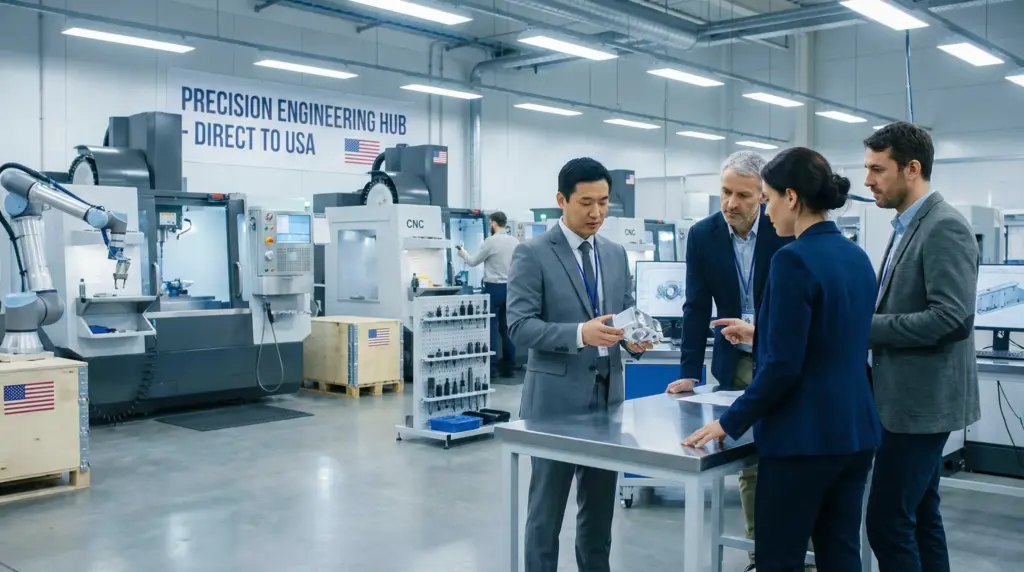
Precision CNC machining plays a crucial role for engineers, designers, and businesses looking for reliable, high-quality parts. China has become a global leader in the field, offering a wide range of processes backed by advanced technology and efficient production speeds. Companies researching China CNC manufacturing options will find a mature supplier ecosystem capable of handling everything from one-off prototypes to large-scale production runs. Choosing the right partner can make the difference between a smooth product launch and costly delays.
Key Takeaways
- China-based CNC manufacturing suppliers offer advanced technology, efficient production, and competitive pricing for precision parts across various industries.
- The best China CNC manufacturers provide a wide range of services including CNC milling, turning, EDM, Swiss turning, and multi-axis machining with quality certifications like ISO 9001.
- Choosing the right CNC supplier involves evaluating their experience with your materials, sample validation practices, intellectual property protection, and transparent communication.
- Top suppliers like XTJ CNC, RapidDirect, WayKen, Kinyet Metal Products, and Legion Precision Hardware are known for reliable precision parts, fast quoting, and specialized engineering support.
- Turnaround for CNC prototyping in China is typically 3–7 days for simple parts, but more complex projects require up to 15 days including surface finishing and validation.
- To avoid costly mistakes, ensure thorough manufacturability review, clear documentation, sample validation, IP protections, and awareness of logistics or customs requirements.
Precision CNC Machining in China
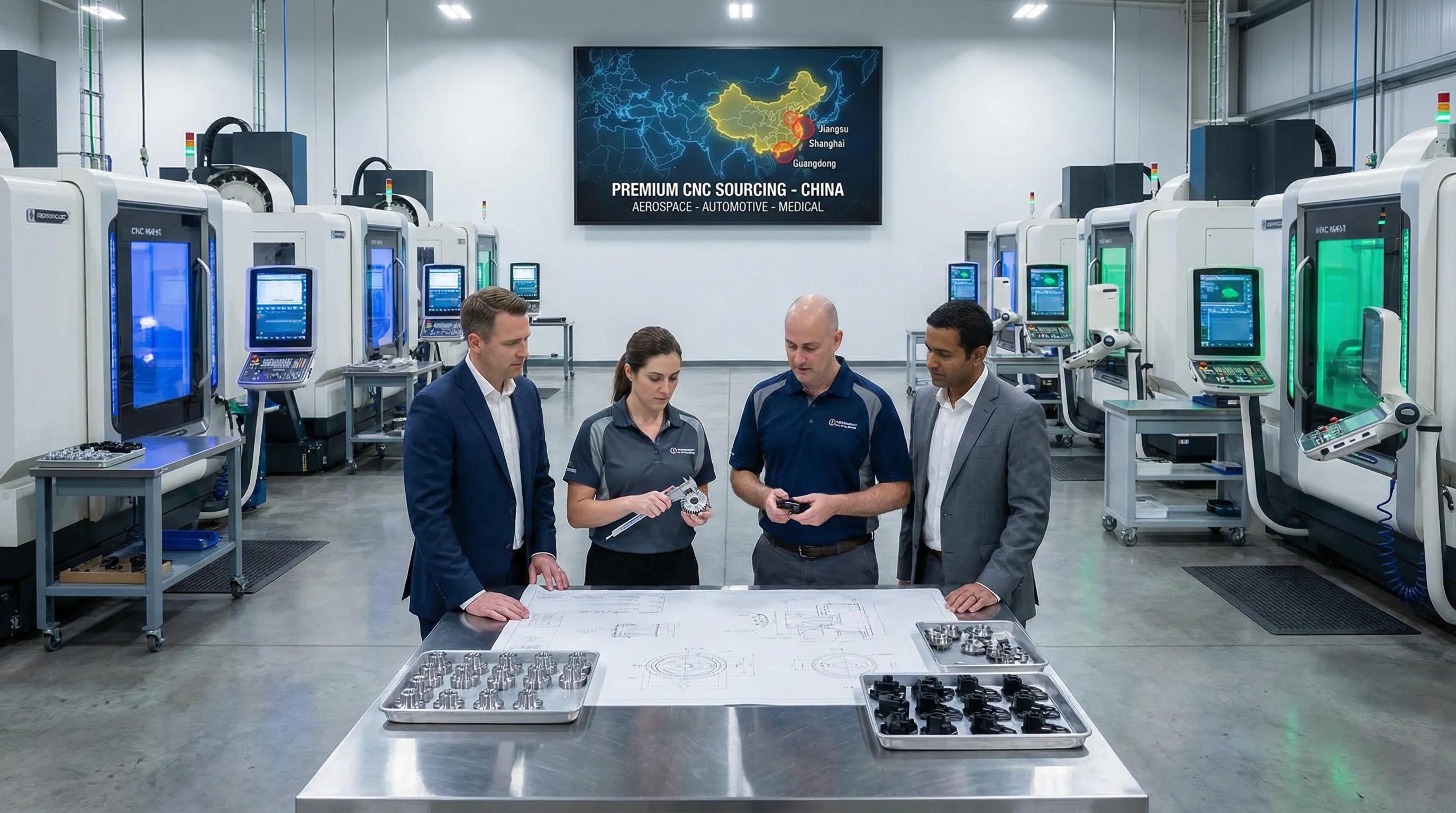
China’s manufacturing industry is internationally recognized for its extensive capabilities in CNC machining. Precision CNC machining refers to the use of computer-controlled machinery to cut, shape, and finish materials such as metal, plastic, or composite to tight tolerances. Thanks to China’s scale and investment in technology, suppliers offer both high volume and custom low-volume production. This means clients from aerospace, automotive, electronics, and machinery industries can access parts built to demanding specifications, often in less time and at lower cost than found elsewhere. Key manufacturing hubs include Guangdong, Shanghai, and Jiangsu, which feature dense networks of CNC factories and engineering expertise.
Types Available
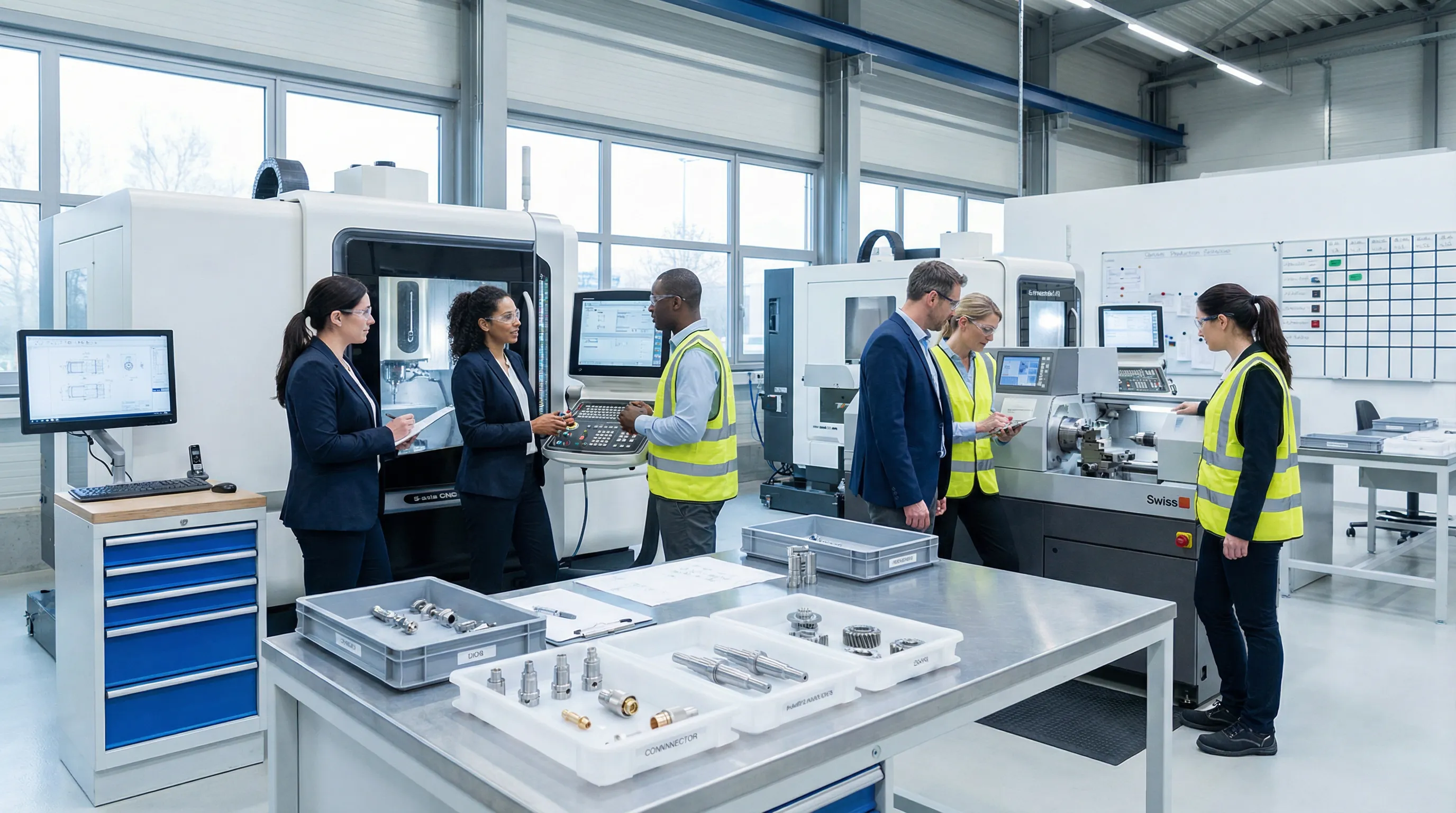
China-based CNC suppliers typically provide a range of machining services.
- CNC Milling: Used for creating complex shapes and flat or angled surfaces in metals, plastics, and composites.
- CNC Turning: Ideal for cylindrical parts such as shafts, bushings, and connectors, producing smooth and repeatable results.
- EDM (Electrical Discharge Machining): Used for intricate shapes and hard metals, often in mold making or tooling.
- Swiss Turning: High precision for small, intricate parts, especially prevalent in electronics and medical industries.
- Multi-Axis Machining: 4-axis and 5-axis CNC machines increase flexibility, enabling more complex and precise component geometries.
Most suppliers also offer secondary processes like surface finishing, anodizing, powder coating, and basic assembly to deliver turnkey manufacturing solutions.
Benefits and Considerations
China’s CNC machining market provides several benefits: quick turnaround for prototypes and production runs, access to skilled operators, and competitive pricing due to efficient supply chains. For companies balancing costs and time-to-market, this is compelling.
But, buyers should consider intellectual property protection, communication standards, and the supplier’s experience with precision tolerances. Verifying the supplier’s certifications (ISO 9001, AS9100, etc.) and capacity to handle your project scope is essential. Sampling and production validation are common practices to ensure the supplier can meet your specification before full-scale production starts.
What Should I Look for in a CNC Supplier?
Choosing the right supplier means looking for consistent quality, technical capabilities, transparency, and a track record serving industries similar to yours. Important factors:
- Certification: ISO 9001 or relevant industry accreditations ensure process quality.
- Machinery Investment: Up-to-date CNC equipment, including 5-axis machines and inspection systems like CMM, prove a dedication to accuracy.
- Responsive Quoting: Fast, detailed quotations signal operational efficiency and good communication.
- Sample and Production Validation: Willingness to provide prototypes or samples before mass production demonstrates confidence and quality control.
- Experience with Your Materials/Components: Look for evidence the supplier has worked with your part’s materials, tolerances, and industry-specific requirements.
- Intellectual Property Practices: Ask how they protect your design files and information, especially if you’re developing unique or patented products.
Top 5 CNC Manufacturing Supplier Companies
1. XTJ CNC
Business: XTJ CNC
Spokesperson: Hafiz Pan
Position: Director of Operations
Phone: +1 218 527 7419
Email: [email protected]
Location: 506 S Rangeline Rd, Carmel, IN 46032, USA
Website: http://xtjcnc.com
Google Maps Link: https://maps.app.goo.gl/2qt51vePKNrhhKZm6
XTJ CNC is known for precision CNC machining and rapid prototyping services, serving clients worldwide from its plant in Carmel, Indiana, and multiple facilities in China. Founded in 2005, XTJ CNC specializes in both custom prototypes and full-scale production runs in metals and plastics. Their investments in 3-, 4-, and 5-axis machining, along with rigorous QC practices and ISO 9001 certification, make them a trusted partner for aerospace, automotive, and electronics clients seeking reliable tolerance and lead times. Clients benefit from clear communication, fast DFM feedback, and easy logistics to the US and Europe.
2. RapidDirect
RapidDirect is a highly regarded Chinese supplier focusing on streamlined online quoting, fast turnaround, and global shipping. Their in-house engineering team assists from DFM review through to production, handling both prototyping and high-volume needs. RapidDirect is known for offering multi-process capabilities under one roof, including CNC milling, turning, surface treatment, and secondary assembly.
3. WayKen
WayKen specializes in rapid prototyping and small-series manufacturing. With advanced CNC, vacuum casting, and low-volume injection molding services, WayKen aims for fast delivery and detailed surface finish options. Their engineering support and transparent project tracking are especially valued by automotive and industrial clients.
4. Dongguan Kinyet Metal Products
Located in Dongguan, Kinyet Metal Products focuses on high-precision CNC machined metal components for electronics, industrial hardware, and medical devices. Their competitive pricing, ISO 9001 certification, and robust in-house QC team make them a frequent choice for manufacturers needing dependable sourcing in southern China.
5. Shanghai Legion Precision Hardware
Legion Precision Hardware offers CNC machining and complex part fabrication with a specialty in tight-tolerance aerospace and medical components. They use advanced multi-axis machines and a multilingual engineering team, serving both start-ups and global manufacturers in need of challenging geometries and consistent quality.
How Long Does CNC Prototyping Take?
Prototype lead times are a critical concern for product development and industrial design projects. In the Chinese CNC sector, simple prototype parts typically ship in 3–7 business days, depending on complexity and finishing requirements. For projects requiring multiple operations (5-axis machining, tight-tolerance parts, or demanding surface finishes), a more realistic expectation is 7–15 days from confirming the design. High-volume runs or specialty surface treatments can extend the timeline. At XTJ CNC, for example, the team coordinates rapid DFM review and serial production, streamlining the steps from quote to completed part, which benefits clients racing against tight project deadlines.
What Are Common Mistakes to Avoid?
Several recurring errors can affect outcomes when outsourcing CNC machining to China:
- Insufficient Design for Manufacturability Review: Submitting parts with undefined tolerances or overly tight specs often drives up costs and delays. Use the supplier’s expertise to adapt designs early.
- Skipping Sample Validation: Jumping straight to full-scale orders without reviewing physical samples can lead to quality issues.
- Unclear Communication: Ambiguity on materials, finishes, or packaging results in unwanted surprises. Provide detailed drawings and documentation.
- Lack of IP Protection: Not clarifying IP controls or NDAs at the outset can expose proprietary designs. Work with suppliers like XTJ CNC that outline their data security policies upfront.
- Overlooking Shipping and Customs Details: Failing to confirm shipping methods, tariffs, and labeling needs can create delays at the border and added costs.
Latest Trends in CNC Technology
The Chinese CNC industry continues to advance in automation and digitalization. Recent shifts include widespread adoption of multi-axis CNC centers, real-time production monitoring, and integration of AI-powered quality checks. Factories invest in software for rapid quoting, online order management, and remote process tracking. Automated tool changers and robotic loading/unloading further boost efficiency for both low and high-volume orders. Suppliers who support these trends reduce cycle times and errors, keeping their customers ahead in competitive industries.
Regional Considerations for China Sourcing
Sourcing CNC parts from China means understanding regional strengths. Guangdong (especially Dongguan and Shenzhen) leads in volume production, precision electronics, and competitive pricing. Shanghai is home to suppliers familiar with international quality and logistics standards, handling complex assemblies and large-scale shipments. Jiangsu and Zhejiang offer strong industrial networks and supply chain integration for custom and standard components.
For North American buyers, it’s crucial to work with partners skilled in overseas logistics and communication. XTJ CNC bridges the gap with US-based project management in Carmel, Indiana, and affiliated facilities in China, offering clear scheduling and risk reduction. Always factor in regional holidays, capacity cycles, and logistics timelines when planning your projects.
Frequently Asked Questions About China-Based CNC Manufacturing Suppliers
What should I consider when choosing a China-based CNC supplier for precision parts?
Look for CNC suppliers with ISO 9001 certification, advanced machinery, transparent communication, and experience in your industry. Verify their ability to handle your required materials, tolerances, and intellectual property protection before placing an order.
How long does CNC prototyping take with Chinese suppliers?
CNC prototyping in China usually takes 3–7 business days for simple parts. More complex components or demanding finishes can extend the lead time to 7–15 days. Always confirm timelines with your supplier, as specialty processes or high-volume runs may take longer.
Which industries benefit most from precision CNC machining in China?
Industries such as aerospace, automotive, electronics, and medical devices frequently benefit from precision CNC manufacturing in China due to fast turnaround, competitive pricing, and the ability to meet strict tolerance requirements.
What are the advantages of using multi-axis CNC machining for parts production?
Multi-axis CNC machining enables the creation of complex geometries with higher precision and fewer setups. This technology reduces production time, improves part accuracy, and is essential for industries requiring intricate or tight-tolerance components.
How can I protect my intellectual property when sourcing CNC parts from China?
To safeguard your designs, work with suppliers who outline specific IP protection policies, utilize NDAs, and demonstrate data security practices. Clarify these protocols before sharing proprietary files, especially for unique or patented products.
Are there regional differences among China’s CNC manufacturing hubs?
Yes. Guangdong excels in large-scale and electronics part production, Shanghai specializes in international logistics and complex assemblies, and Jiangsu balances supply chain integration for diverse CNC components. Choosing the right region can optimize cost and logistics.